
My career path into software and data engineering was non-traditional. I didn’t get a computer engineering degree from a big school. I grew up in a rural farming community and got a music degree. This was during the days when the Internet was first commercialized. During college, I found that building websites was an easy and rewarding way to make money and I was able to use those skills to get an internship with the internet team at J. B. Hunt. I had conflicting feelings during my internship. On one hand, I had always been a bit of a geek and I felt like I had found my people. On the other hand, my non-traditional background made me feel like an imposter.
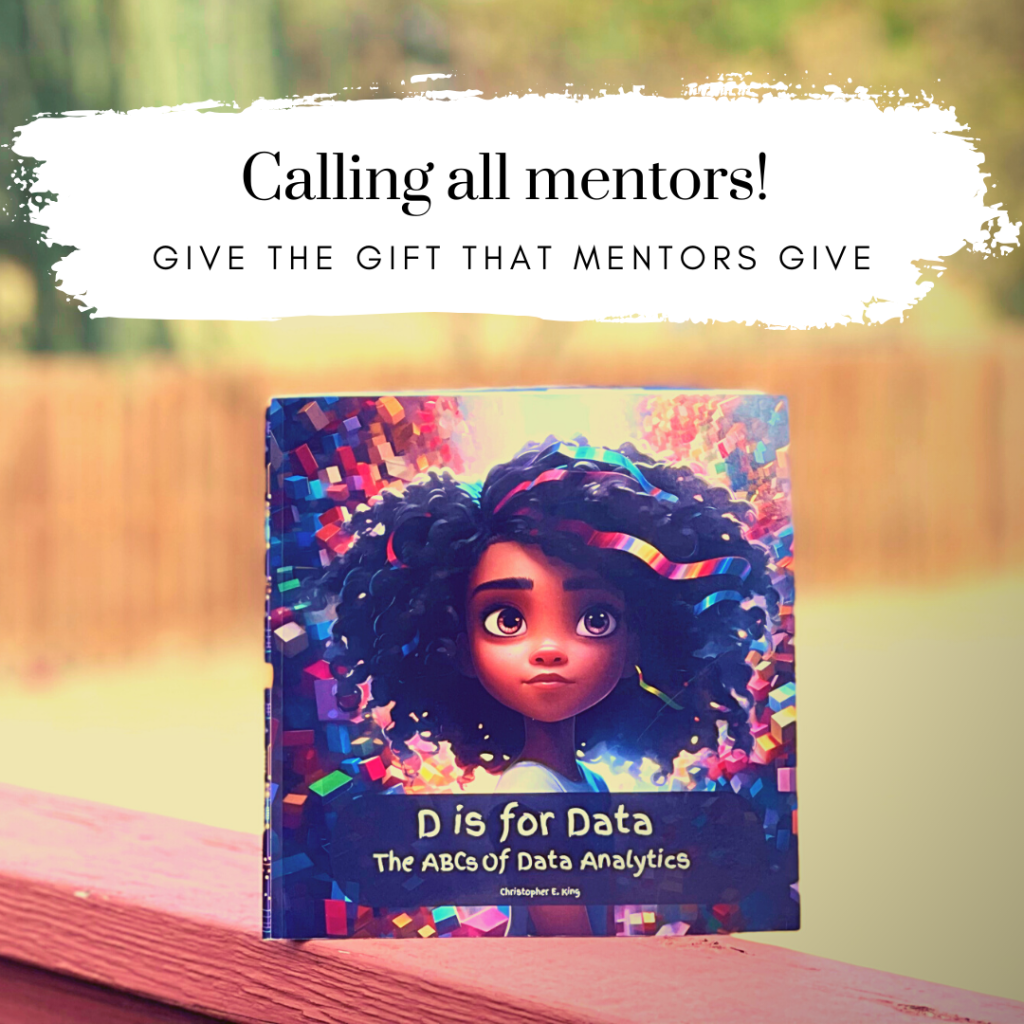
During my internship and early career, mentors made all the difference. They patiently taught me about different platforms and languages. They found interesting, real-world projects that were challenging, yet achievable. They helped me gain confidence in my technical skills and got me addicted to solving problems with tech. They advocated for me, introduced me to new people and domains and made me feel like I belonged.
As I advanced in my career, I always prioritized making it easier for others to follow in my footsteps — whether it was by writing extensive docs, running workshops or drawing diagrams on a whiteboard to make sure that everyone understood the big picture. I also prioritized taking time to mentor others on my team and helping them take the next step in their career.
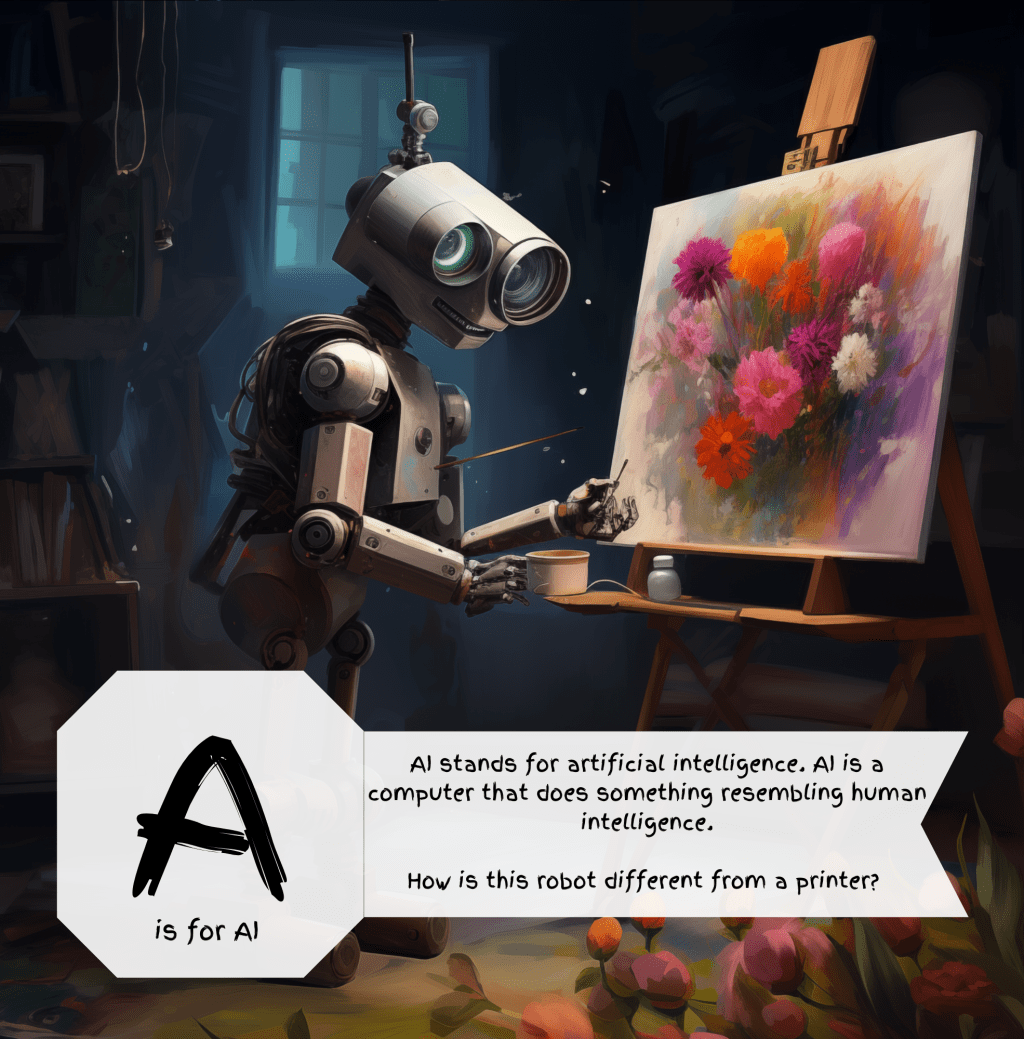
Writing the book, “D is for Data: The ABCs of Data Analytics” is another attempt to give back and honor all of the mentors in my life. I’m a dad now and I wanted a way to share my passion for data engineering with my own 8-year-old daughter and 10-year-old son. The book has a two-fold purpose. First, exposing kids early to the vocabulary of data analytics increases their confidence and sense of belonging because they are already familiar with some of the terms. Secondly, and arguably more important, my kids will know that they can come to me when they have questions about data or technology. Giving this book is a great, non-threatening way to make yourself available as a mentor to the young people in your life. It lets them know that you care about them and that they can come to you with any questions that they have. We all have young people in our lives that we care about. Offering yourself as a mentor is a great way to connect with them and show that you care!





 Thunder Chicken Studios
Leave a comment